
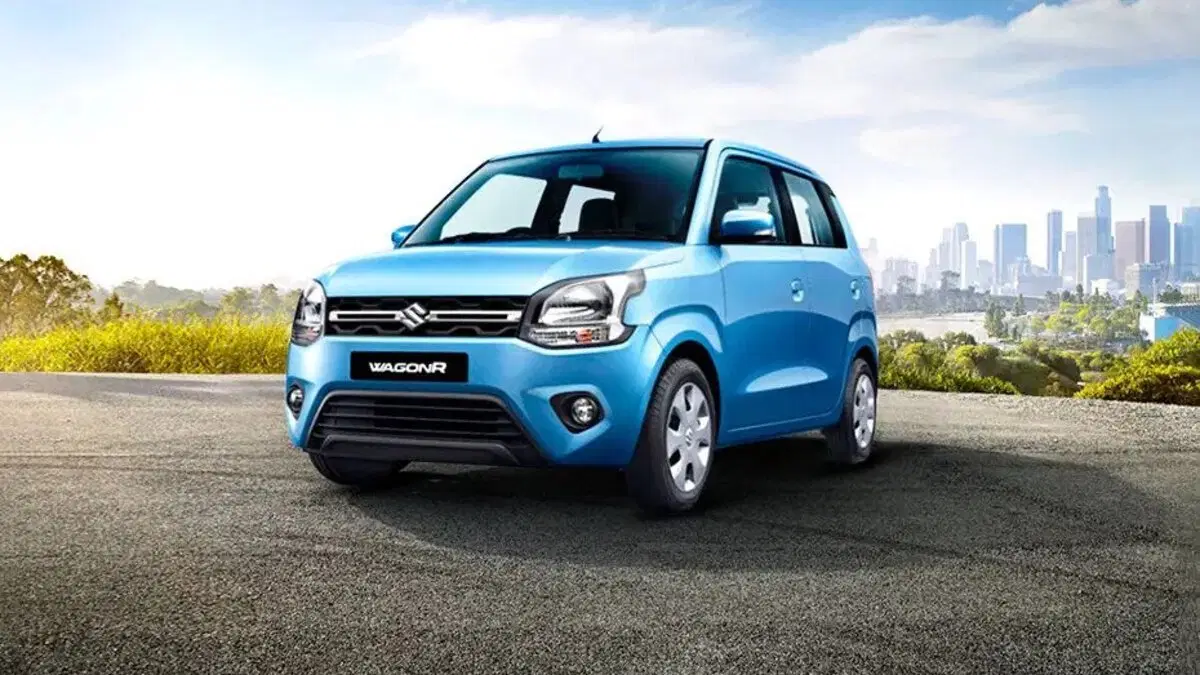
The automotive industry, often referred to simply as auto, has evolved far beyond the invention of the internal combustion engine. Today, it encompasses advanced engineering, innovative design, cutting-edge technology, and environmental consciousness. The auto industry not only shapes how people move but also significantly impacts the economy, culture, and technological innovation globally. Understanding the various facets of this dynamic industry can provide insights into its ongoing transformation and future trajectory.
The Evolution of the Auto Industry
The history of the automobile is a story of relentless innovation. From Karl Benz’s first motorized vehicle in 1885 to today’s fully electric cars, the evolution has been remarkable. Early automobiles were symbols of luxury and status, accessible only to the wealthy. As mass production techniques, like those pioneered by Henry Ford, became standard, cars became a practical tool for millions.
Key milestones in automotive evolution include:
- Introduction of the Assembly Line: Revolutionized production efficiency and lowered costs.
- Advancement in Safety Standards: Seatbelts, airbags, and crash test protocols reshaped vehicle design.
- Technological Innovations: From anti-lock braking systems (ABS) to autonomous driving features, technology continues to redefine mobility.
- Electrification: The push for electric vehicles (EVs) reflects global concerns over climate change and fuel dependency.
These changes not only improved functionality but also set the stage for the auto industry’s present focus on sustainability, connectivity, and user experience.
Modern Automotive Technologies
The contemporary auto landscape is characterized by rapid technological advancement. These innovations are changing how vehicles operate, how drivers interact with them, and how the world perceives mobility.
Electric and Hybrid Vehicles
Electric and hybrid vehicles are no longer niche products. They have become essential to addressing climate change and reducing carbon emissions.
- Battery Technology: Lithium-ion batteries have improved range and charging speed, making EVs viable alternatives to traditional cars.
- Hybrid Systems: Combining internal combustion engines with electric motors, hybrids provide enhanced fuel efficiency and reduced emissions.
- Charging Infrastructure: The development of fast-charging stations ensures that electric mobility is practical and accessible for everyday use.
Autonomous Driving and AI Integration
Autonomous vehicles are transforming the driving experience through artificial intelligence, machine learning, and advanced sensors.
- ADAS Systems: Advanced driver-assistance systems include lane-keeping assist, adaptive cruise control, and collision avoidance.
- Full Autonomy: While fully self-driving cars are not yet widespread, significant progress is being made toward level 4 and 5 autonomy.
- Connectivity: Vehicles now communicate with each other and traffic infrastructure to improve efficiency and safety.
Smart Features and Infotainment
The modern auto is no longer just a vehicle; it is a connected digital platform. Features like voice-activated controls, real-time navigation, and over-the-air updates enhance convenience and safety.
- Telematics: Collects data on vehicle performance and driver behavior, assisting in maintenance and insurance modeling.
- Infotainment Systems: Integration with smartphones and apps ensures a seamless digital experience.
- Personalization: AI allows cars to learn driver preferences, from seat adjustment to climate control, enhancing comfort and convenience.
Economic and Environmental Impact of the Auto Industry
The auto industry is a powerhouse of global economics and employment. Beyond the obvious impact on transportation, it drives supply chains, technological development, and environmental initiatives.
Economic Contributions
- Job Creation: Millions worldwide are employed directly in manufacturing, engineering, and sales.
- Supply Chain Networks: Auto manufacturing involves extensive collaboration across steel, electronics, software, and energy sectors.
- Innovation Catalysts: Developments in vehicle technology often influence broader tech trends, from battery storage solutions to AI applications.
Environmental Considerations
- Emission Reduction: The rise of EVs and hybrids aims to lower greenhouse gases significantly.
- Sustainable Materials: Automakers are increasingly using recycled and eco-friendly materials in production.
- Regulatory Influence: Government policies and incentives encourage the adoption of cleaner vehicles, shaping industry trends.
Trends Shaping the Future of Auto
The future of the auto industry will be defined by sustainability, connectivity, and evolving consumer expectations. Several key trends are worth exploring:
Electrification and Green Mobility
The shift from fossil fuels to electric propulsion is accelerating, driven by both regulatory pressure and consumer demand. Battery costs are declining, and energy density improvements are making EVs more practical.
Urban Mobility Solutions
With increasing urbanization, new forms of mobility are emerging, including:
- Ride-Sharing and Carpooling: Reducing the number of vehicles on the road while maintaining accessibility.
- Micro-Mobility Vehicles: E-bikes, scooters, and compact electric vehicles are transforming city transport.
- Public Transit Integration: Autonomous shuttles and connected transit systems complement traditional vehicles.
AI and Predictive Analytics
Artificial intelligence will continue to optimize everything from traffic management to vehicle maintenance. Predictive analytics allow manufacturers and fleet operators to anticipate failures, improve safety, and reduce costs.
Challenges Facing the Automotive Sector
Despite rapid innovation, the auto industry faces significant challenges that must be addressed to maintain growth and sustainability:
- Supply Chain Disruptions: Semiconductor shortages and geopolitical tensions can hinder production.
- Regulatory Compliance: Varying environmental and safety standards across regions require constant adaptation.
- Consumer Adoption: While EVs are growing in popularity, price and range limitations remain barriers for widespread adoption.
- Cybersecurity Risks: Connected vehicles are vulnerable to hacking, requiring advanced protection measures.
Auto Maintenance and Ownership Tips
Understanding modern vehicles also means knowing how to maintain them properly to maximize longevity and performance:
- Regular Servicing: Routine inspections of brakes, tires, and fluids prevent costly repairs.
- Battery Care: For electric vehicles, proper charging habits and temperature management extend battery life.
- Software Updates: Keeping vehicle software up-to-date ensures optimal performance and security.
- Driving Habits: Smooth acceleration and braking reduce wear and improve fuel efficiency or battery range.
FAQs About Auto
What is the difference between hybrid and electric vehicles?
Hybrid vehicles combine an internal combustion engine with an electric motor, offering fuel efficiency and lower emissions. Fully electric vehicles rely solely on batteries and electric motors, producing zero tailpipe emissions.
How long do electric vehicle batteries last?
Most EV batteries are designed to last 8–15 years depending on usage and maintenance. Battery degradation over time gradually reduces range, but proper care can extend lifespan.
Are autonomous vehicles safe?
Autonomous technology is designed to enhance safety, but full reliability depends on sensor accuracy, software updates, and infrastructure readiness. Human oversight remains critical during transitional stages.
What factors should I consider when buying a new car?
Consider fuel type, efficiency, safety ratings, technology features, insurance costs, and long-term maintenance requirements. Aligning vehicle choice with lifestyle and commuting needs ensures satisfaction.
Can cars become fully carbon-neutral?
Yes, through the adoption of electric drivetrains powered by renewable energy, along with sustainable manufacturing practices and recycling initiatives. The industry is actively pursuing this goal.
The auto industry is no longer just about moving from point A to point B; it represents innovation, sustainability, and technological advancement. From electrification to AI integration, each development is reshaping the way people interact with their vehicles. Staying informed about these changes is crucial for understanding not just transportation, but the broader technological and environmental shifts influencing our daily lives.
