
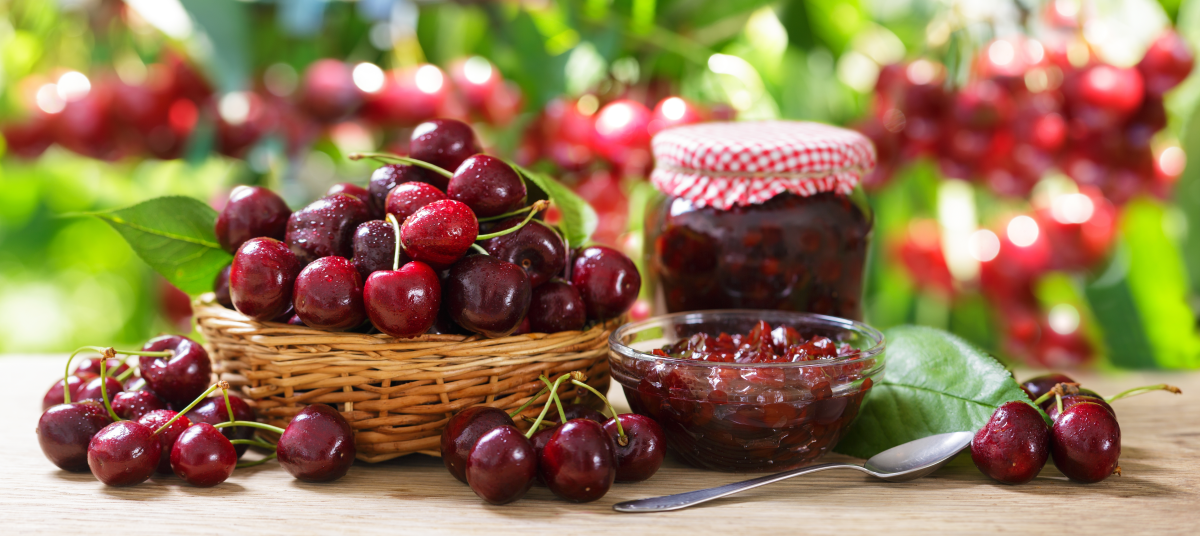
Cherry trees represent a practical choice for those seeking to cultivate fruit in such environments, as they can provide both aesthetic appeal through spring blossoms and a reliable harvest when selected appropriately. This article examines five cherry varieties particularly well-suited to these climates, emphasising their hardiness, disease resistance, and productivity. These selections draw from established horticultural practices tailored to British soils and weather patterns, ensuring viability even in regions with shorter growing seasons and occasional late frosts. By focusing on varieties that thrive under these constraints, growers can achieve consistent results without excessive intervention.
Many gardeners in the UK seek out quality fruit trees for sale from reputable nurseries to ensure success in their orchards, as starting with robust stock is fundamental to long-term productivity. The unpredictable nature of British weather, including mild winters and cool summers, necessitates varieties that flower later to avoid frost damage and possess strong root systems for nutrient uptake in varied soil types. Cherries, belonging to the Prunus genus, have been cultivated in the UK for centuries, with historical records indicating their presence in monastic gardens as early as the medieval period. Modern breeding has enhanced their adaptability, incorporating traits from both sweet and acid types to suit contemporary needs.
Cultivating cherries in cool climates requires attention to site selection, preferring sheltered positions with good drainage to prevent root rot, a common issue in wetter areas. Soil preparation involves incorporating organic matter to improve structure, and regular monitoring for pests such as aphids or birds is advisable. These trees not only yield fruit but also contribute to biodiversity by attracting pollinators during flowering. The economic aspect should not be overlooked; home-grown cherries reduce reliance on imported produce, which often travels long distances and may lack the freshness of locally harvested fruit. Furthermore, integrating cherry trees for sale into mixed orchards can enhance overall garden resilience, as they complement other fruits like apples or plums in pollination dynamics.
The fruit trees specialists at the prominent online nursery ChrisBowers emphasise that for cool British climates, selecting cherry varieties with proven resilience is key to avoiding common pitfalls such as poor fruit set or susceptibility to bacterial canker. They advise prioritising self-fertile options that perform well on dwarfing rootstocks, allowing for compact growth suitable for smaller gardens. In their experience, cherries that mature mid to late season align best with the UK’s extended cool periods, maximising yield potential. For those establishing new plantings, they recommend sourcing from specialists offering varieties adapted to northern European conditions, including cherry trees that ensure vigorous establishment and long-term health.
Cherry Variety 1: Stella
Stella stands out as a reliable choice for UK gardeners navigating cool climates, originating from breeding programmes in Canada during the mid-20th century. This variety was developed to address the limitations of traditional cherries that required cross-pollination, making it self-fertile and thus ideal for solitary plantings in modest spaces. Its dark red fruits, measuring up to 2.5 centimetres in diameter, offer a sweet, juicy flavour with a firm texture that resists cracking even in rainy conditions prevalent across much of Britain.
Adaptability to cool weather is one of Stella’s primary strengths; it flowers relatively late in spring, reducing the risk of damage from late frosts that can devastate earlier-blooming types. In regions like Scotland or northern England, where temperatures may hover around 10-15 degrees Celsius during peak growing months, Stella demonstrates robust growth on rootstocks such as Colt, which control vigour and promote earlier fruiting. Trees typically reach maturity in three to four years, producing harvests of up to 20 kilograms per tree under optimal care. Pruning should occur in late summer to minimise disease entry, focusing on removing dead wood and maintaining an open canopy for air circulation.
Nutritionally, Stella cherries provide vitamins A and C, along with antioxidants that support health benefits such as reducing inflammation. In culinary applications, they excel in fresh eating, preserves, or baking, where their balanced sweetness complements tarts and pies traditional to British cuisine. Gardeners should monitor for cherry leaf spot, a fungal issue more common in humid areas, by applying approved fungicides preventatively. When integrating Stella into a garden, consider companion planting with herbs like chives to deter pests naturally. Overall, this variety’s combination of ease and productivity makes it a cornerstone for those building resilient orchards in cooler zones.
For maintenance, soil pH between 6.0 and 7.0 is optimal, with annual mulching using well-rotted compost to retain moisture during drier spells. In trials conducted in UK research stations, Stella has shown superior winter hardiness compared to older cultivars, enduring temperatures down to -15 degrees Celsius without significant bud loss. This resilience extends to wind tolerance, beneficial in exposed coastal areas. Harvesting occurs in mid-July, with fruits ripening uniformly for efficient picking. If expanding an orchard, pairing Stella with other self-fertile types can diversify output without complicating pollination requirements.
Cherry Variety 2: Sunburst
Sunburst emerges as another exemplary variety for cool UK climates, bred in Canada similarly to Stella but distinguished by its larger, black-red fruits that boast exceptional sweetness. Introduced in the 1980s, it builds on genetic advancements to offer self-fertility, eliminating the need for partner trees and simplifying orchard design for British homeowners. The fruits’ glossy appearance and rich flavour profile, with notes of deep cherry essence, make them particularly appealing for direct consumption or in desserts.
In cool environments, Sunburst thrives due to its vigorous growth habit and resistance to common ailments like brown rot, which can proliferate in the UK’s frequent mists. It performs well on Gisela rootstocks, keeping trees compact at around 3-4 metres tall, suitable for urban gardens or allotments where space is limited. Flowering in late April to early May aligns with warmer spells, enhancing pollination success by bees active in milder conditions. Yields can reach 15-25 kilograms per mature tree, with fruits resistant to splitting despite heavy rainfall, a frequent concern in western Britain.
From a horticultural perspective, Sunburst requires full sun exposure for at least six hours daily to optimise sugar development in the fruits. Soil preparation involves deep digging to ensure good drainage, as waterlogged roots can lead to decline. Regular feeding with balanced fertilisers in spring supports healthy foliage, which in turn protects against environmental stresses. Pests such as cherry fruit fly are manageable through monitoring and timely interventions, preserving crop integrity.
Culinary versatility extends Sunburst’s value; its fruits lend themselves to compotes, jams, or even savoury sauces paired with meats, reflecting traditional British recipes adapted for modern palates. Health-wise, the high anthocyanin content contributes to cardiovascular benefits, aligning with dietary recommendations. When sourcing stock, gardeners might explore fruit trees for sale that specify certified disease-free plants to establish a strong foundation.
Long-term care includes annual pruning to encourage new growth and prevent overcrowding, performed after harvest to allow wound healing before winter. In cooler northern latitudes, protective netting against birds is essential, as the attractive fruits draw wildlife. Sunburst’s adaptability has been validated in UK field tests, showing consistent performance across varying microclimates, from the Midlands to the Highlands.
Cherry Variety 3: Regina
Regina, a German-bred variety from the late 20th century, excels in cool UK climates through its exceptional hardiness and late-ripening fruits. Self-fertile and productive, it produces large, dark red cherries with a crisp texture and sweet-tart balance, ideal for extended storage. This makes it particularly suitable for regions with protracted cool seasons, where early varieties might fail to mature fully.
The tree’s upright growth habit facilitates management in windy areas common to Britain, reaching heights of 4-5 metres on standard rootstocks. It exhibits strong resistance to cracking and bacterial diseases, attributes honed through selective breeding for northern European conditions. Flowering occurs mid-spring, allowing evasion of most frost events, while the extended ripening period into August provides flexibility in harvesting amid variable weather.
Cultivation demands well-drained, loamy soils enriched with potassium to bolster fruit quality. In practice, applying mulch in autumn conserves soil moisture and suppresses weeds, enhancing overall vigour. Yields average 20 kilograms per tree once established, with uniform sizing aiding commercial-like efficiency for home growers. Monitoring for aphids involves natural predators or approved sprays, maintaining ecological balance.
In the kitchen, Regina’s cherries shine in pies, clafoutis, or as preserved relishes, complementing British culinary traditions. Nutritionally, they offer fibre and minerals, supporting digestive health. For those planning additions, considering fruit trees for sale grafted for dwarfism ensures compatibility with smaller plots.
Pruning strategies focus on summer removal of excess branches to promote light penetration, reducing fungal risks in damp climates. UK studies highlight Regina’s superior cold tolerance, withstanding -20 degrees Celsius, making it viable in upland areas. Its pollination efficiency, even in isolated settings, underscores its practicality for diverse garden scales.
Cherry Variety 4: Morello
Morello, an acid cherry variety with roots in European heritage, proves indispensable for cool UK climates due to its unparalleled tolerance of shade and poor weather. Unlike sweet types, it self-pollinates reliably and crops heavily on north-facing walls, a boon for gardens in shadowed valleys or urban settings. The deep red, tart fruits are prized for cooking, yielding up to 30 kilograms per tree in peak years.
Bred for resilience, Morello flowers late, minimising frost exposure, and matures in late summer, aligning with Britain’s cooler harvest windows. It adapts to heavy clay soils prevalent in many regions, provided drainage is amended. Rootstocks like Colt moderate size to 3-4 metres, facilitating ladder-free maintenance.
Care routines include winter pruning to stimulate fruiting wood, differing from sweet cherries to avoid gumosis. Disease resistance is notable against canker, though vigilance for leaf curl is warranted in humid zones. Companion planting with garlic deters insects naturally.
Culinary uses abound in jams, sauces, and liqueurs, embodying traditional preserves. Health profiles feature high vitamin C levels, aiding immunity in seasonal climates. Sourcing from nurseries offering fruit trees for sale ensures virus-free starts.
Longevity marks Morello, with trees productive for decades under proper stewardship. UK horticultural assessments confirm its suitability for marginal lands, enhancing food security through home production.
Cherry Variety 5: Summer Sun
Summer Sun, developed in the UK, embodies adaptation to local cool climates with its compact form and bountiful yields. Self-fertile, it bears medium-sized, red fruits with a sweet flavour, ripening mid-season for timely enjoyment. Its breeding prioritises disease resistance, thriving in areas with high rainfall.
Trees grow to 3 metres on dwarf roots, ideal for patios or borders. Late blooming safeguards against spring chills, while strong branches withstand gales. Soil preferences lean towards neutral pH, with organic amendments boosting fertility.
Maintenance entails spring fertilisation and summer watering during dry spells. Pests are minimal, managed through biodiversity. Fruits excel in fresh salads or baked goods, providing antioxidants.
For expansion, fruit trees for sale of this variety offer quick establishment. Pruning post-harvest maintains shape, ensuring sustained output. Trials in Britain affirm its reliability across latitudes.
Growing Tips for Success in Cool Climates
To maximise success with these cherries in UK conditions, site preparation is paramount. Choose elevated positions for air drainage, avoiding frost pockets. Incorporate compost to enhance soil structure, and test pH annually. Pollination benefits from bee-friendly plants nearby, even for self-fertile types.
Watering should be consistent but not excessive, with drip systems efficient in wetter areas. Fertilise balanced nutrients in early spring, avoiding nitrogen excess that promotes foliage over fruit. Protective measures against birds and deer involve netting or barriers.
Disease prevention relies on sanitation, removing fallen leaves to curb spores. Integrated pest management favours biological controls. Harvest at peak ripeness for flavour, storing in cool conditions.
Long-term, monitor tree health through annual inspections, addressing issues promptly. These practices foster productive orchards, contributing to sustainable gardening in Britain’s cool expanse.
