
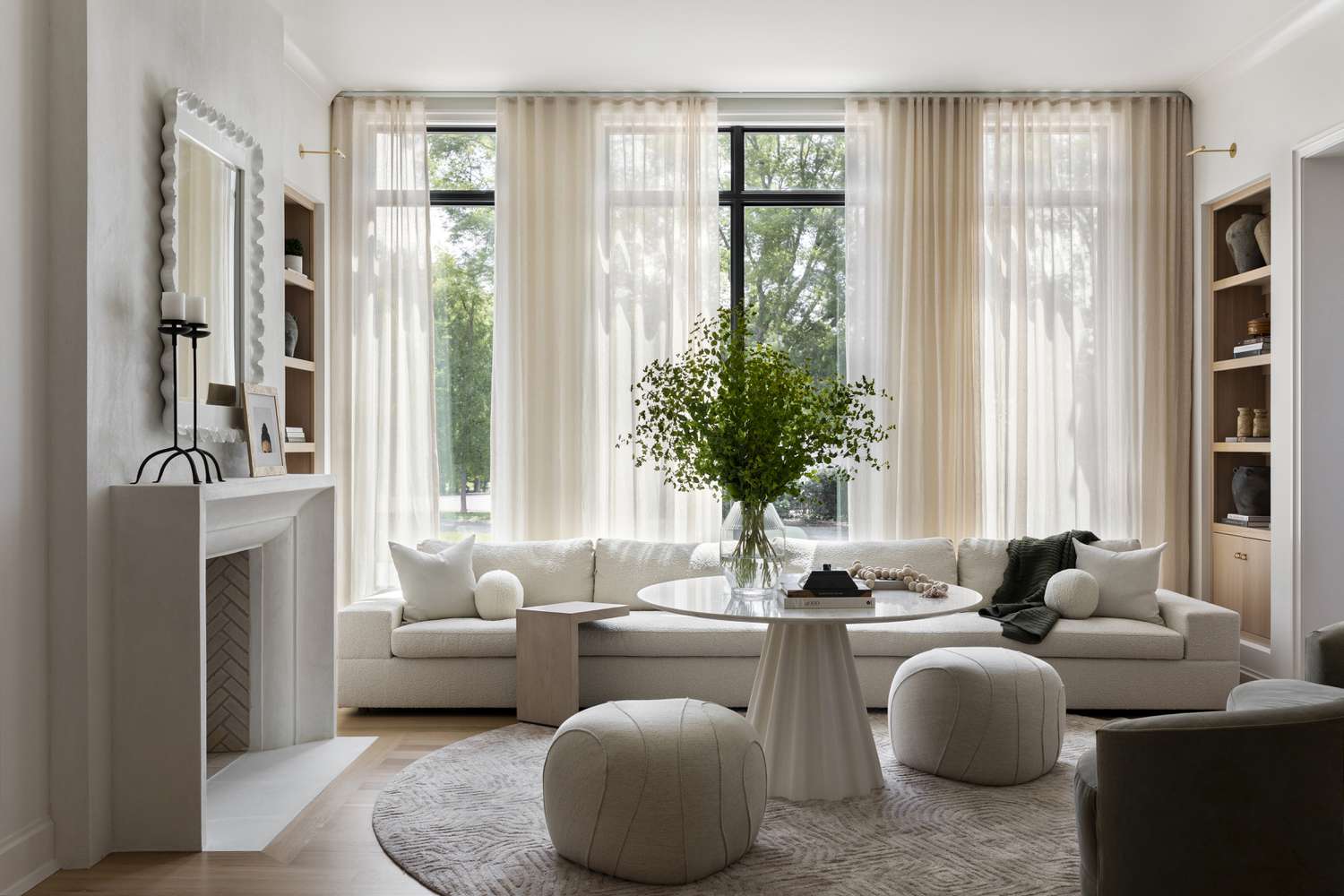
Minimalist living is not about owning nothing—it is about owning only what adds value to your life. A clutter-free space supports mental clarity, reduces stress, and makes everyday living more intentional. By simplifying your environment, you create room for focus, comfort, and peace.
Understanding the Purpose of Minimalist Living
Minimalism focuses on function over excess. Instead of accumulating items, it encourages thoughtful choices about what deserves space in your home.
Minimalist living helps you:
- Reduce visual and mental clutter
- Save time on cleaning and organizing
- Create a calm, purposeful environment
A clutter-free home often leads to a calmer mindset.
Start With Decluttering One Area at a Time
Trying to declutter your entire home at once can feel overwhelming. The most effective approach is to work in small, manageable sections.
Begin with:
- One drawer
- One shelf
- One room
Completing small areas builds momentum and prevents burnout.
Keep Only What Serves a Purpose or Brings Joy
Every item in your space should earn its place. If something is rarely used or no longer meaningful, it may be adding unnecessary clutter.
Ask yourself:
- Do I use this regularly?
- Does this item support my lifestyle?
- Would I notice if it were gone?
Honest answers make decision-making easier.
Adopt the One-In, One-Out Rule
To maintain a clutter-free space, avoid bringing in new items without removing old ones. This habit prevents clutter from slowly returning.
This rule encourages:
- Mindful purchasing
- Better appreciation of what you own
- Long-term balance in your space
Minimalism is as much about prevention as it is about removal.
Choose Simple and Functional Storage Solutions
Minimalist homes rely on smart storage, not excessive containers. Storage should make items easy to access while staying visually clean.
Effective minimalist storage includes:
- Hidden or closed storage
- Multi-purpose furniture
- Clearly defined spaces for essentials
Avoid storing items “just in case” unless they serve a real purpose.
Limit Decorative Items Intentionally
Decor plays a role in minimalist spaces, but less is more. A few well-chosen pieces create more impact than many small ones.
Focus on:
- Neutral colors
- Clean lines
- Items with personal meaning
This approach keeps your space visually open and intentional.
Create Daily Reset Habits
Clutter often returns through small daily actions. Simple routines help maintain order without effort.
Helpful habits include:
- Putting items back immediately after use
- Spending five minutes tidying each evening
- Clearing surfaces before bedtime
Consistency matters more than perfection.
Digitize When Possible
Paper clutter is one of the easiest forms to reduce. Digitizing documents, notes, and photos can free up significant physical space.
Consider digitizing:
- Bills and receipts
- Manuals and paperwork
- Old photos and records
Digital organization supports a cleaner physical environment.
Embrace Empty Space
Minimalism values negative space. Empty areas allow your home to breathe and highlight what truly matters.
Empty space:
- Enhances visual calm
- Improves focus
- Makes rooms feel larger and lighter
Resist the urge to fill every corner.
Final Thoughts
Minimalist living is a lifestyle built on intention, not restriction. By removing excess and focusing on what truly supports your life, you create a clutter-free space that feels calm, functional, and welcoming. Minimalism is not a destination—it is an ongoing practice that evolves with you.
Frequently Asked Questions (FAQs)
1. Is minimalist living suitable for families?
Yes, minimalism can be adapted to families by focusing on function, routines, and shared values.
2. How do I avoid clutter coming back?
Consistent habits, mindful purchasing, and regular decluttering prevent clutter from returning.
3. Does minimalism mean getting rid of sentimental items?
No, meaningful items can stay as long as they are valued and intentionally kept.
4. How long does it take to declutter a home?
It depends on the size of the space and pace, but gradual progress is more sustainable.
5. Can minimalism help reduce stress?
Yes, clutter-free spaces often lead to improved focus and reduced mental overload.
6. Do minimalist homes feel empty or cold?
Not when done thoughtfully—warm textures and personal items keep spaces inviting.
7. Is minimalism expensive to maintain?
Minimalism often saves money by reducing unnecessary purchases and focusing on quality over quantity.
