
Traveling abroad is an exciting way to experience new cultures, food, and perspectives. While most trips go smoothly, unfamiliar environments can present unique safety challenges. Practicing smart travel safety habits helps reduce risk without limiting enjoyment, allowing you to focus on exploring with confidence and peace of mind.
Research Your Destination Before You Go
Preparation is one of the most effective safety tools. Understanding local norms and risks helps you avoid preventable issues.
Before departure, research:
- Common scams targeting tourists
- Local laws and cultural expectations
- Safe and unsafe neighborhoods
Being informed allows you to blend in and make better decisions from day one.
Keep Important Documents Secure
Passports, visas, and identification are essential while traveling internationally. Losing them can disrupt your entire trip.
Smart document safety practices include:
- Carrying copies of important documents
- Using hotel safes when available
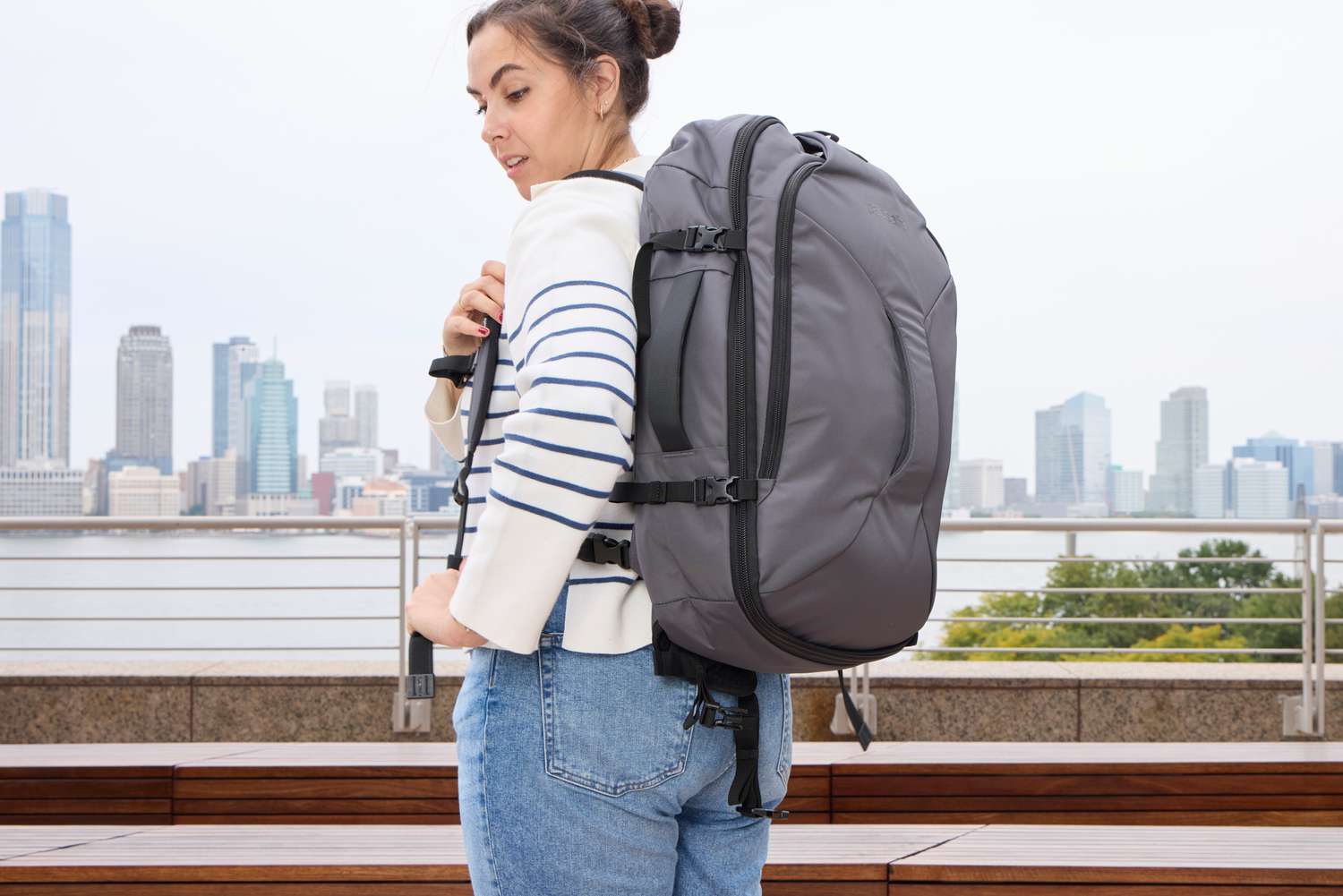
- Keeping essentials in anti-theft bags
Separating originals from backups reduces the impact of loss or theft.
Stay Aware of Your Surroundings
Situational awareness is crucial, especially in busy or unfamiliar areas.
To stay alert:
- Avoid excessive phone use in public spaces
- Be cautious in crowded transport hubs
- Trust your instincts if something feels off
Awareness often prevents problems before they start.
Use Transportation Wisely
Transportation-related issues are a common source of travel stress and risk.
Safer transportation habits include:
- Using licensed taxis or verified ride services
- Avoiding unmarked or unofficial vehicles
- Researching public transport routes in advance
Knowing how to get around safely reduces confusion and vulnerability.
Protect Your Money and Valuables
Financial safety is just as important as physical safety while abroad.
Reduce risk by:
- Carrying limited cash at one time
- Using RFID-blocking wallets
- Keeping valuables out of sight
Spreading money across different locations minimizes potential losses.
Be Cautious With Technology and Wi-Fi
Public Wi-Fi networks can expose personal information to cyber risks.
Digital safety tips include:
- Avoiding sensitive transactions on public Wi-Fi
- Using secure connections when accessing accounts
- Keeping devices password-protected
Digital awareness protects both personal data and financial security.
Blend In With Local Culture
Standing out as a tourist can attract unwanted attention.
Ways to blend in include:
- Dressing like locals when possible
- Avoiding flashy jewelry or accessories
- Learning basic phrases in the local language
Respecting local customs improves safety and cultural experiences.
Know Emergency Resources
Preparedness helps you act quickly if something goes wrong.
Before traveling, identify:
- Local emergency numbers
- Nearby hospitals or clinics
- Embassy or consulate contact details
Quick access to help can make a critical difference during emergencies.
Manage Nighttime Safety Carefully
Risks often increase after dark, especially in unfamiliar areas.
Night safety strategies include:
- Staying in well-lit, populated areas
- Avoiding walking alone late at night
- Planning transportation in advance
Simple precautions significantly reduce nighttime risks.
Trust Reliable Accommodation and Tours
Choosing reputable services enhances safety and comfort.
When booking, look for:
- Verified reviews
- Clear safety policies
- Transparent pricing
Reliable providers reduce uncertainty and stress during your trip.
FAQ: Travel Safety Abroad
1. Is traveling abroad generally safe?
Yes. Most international travel is safe with basic awareness and preparation.
2. Should I register my trip with local authorities?
It can be helpful, especially for longer stays or travel to unfamiliar regions.
3. How can I avoid tourist scams?
Research common scams, stay alert, and avoid unsolicited offers.
4. Is it safe to use public transportation abroad?
Yes, when using official routes and remaining aware of your surroundings.
5. What should I do if my passport is lost?
Contact your embassy or consulate immediately and use your document copies.
6. How can solo travelers stay safe abroad?
Share itineraries, check in regularly, and avoid risky situations.
7. Does travel insurance really matter?
Yes. It provides financial protection and support during emergencies.
Smart travel safety isn’t about fear—it’s about preparedness. With practical habits and informed choices, you can explore new destinations confidently while minimizing risk and maximizing enjoyment.
